Want glowing skin without the complicated skincare routines? Natural oils can be your secret weapon! This guide provides a step-by-step approach to selecting and using natural oils effectively, helping you achieve a healthy, radiant complexion. We'll clarify the differences between carrier and essential oils, offer personalized recommendations, and address potential risks. For more in-depth information on rich oils, check out this helpful resource.
Understanding the Oil Universe: Carrier vs. Essential Oils
Before we begin, let's differentiate between carrier and essential oils. Think of carrier oils as your base – the moisturizing foundation – while essential oils are the potent additives, offering specific benefits and aromas.
Carrier Oils: These are your workhorses – oils like jojoba, coconut, and olive oil. They moisturize, hydrate, and protect your skin. Generally safe for direct application, always perform a patch test to check for allergies.
Essential Oils: Highly concentrated plant extracts (e.g., lavender, tea tree, rose), these pack a powerful punch. Never apply them directly to your skin; always dilute them with a carrier oil (typically a 1-3% dilution). Undiluted use can cause irritation or allergic reactions.
Choosing Your Oil: A Personalized Approach
The best oil depends on your skin type:
- Dry Skin: Opt for richer oils like coconut, olive, or avocado oil for deep moisturization.
- Oily/Acne-Prone Skin: Choose non-comedogenic (won't clog pores) oils such as jojoba, rosehip, or grapeseed oil.
- Sensitive Skin: Gentle oils like jojoba, rosehip, and sweet almond oil are ideal. Always start with a small amount and patch test.
- Acne: While some oils can worsen acne, diluted tea tree oil shows potential antibacterial properties. Always dilute and patch test. *Dr. Anya Sharma, Dermatologist at the Cleveland Clinic, advises: "While tea tree oil has shown some promise, it's crucial to dilute it carefully and monitor your skin's response." *
Your Personalized Oil Selection Guide:
This table provides a general guideline. Individual results may vary. Always patch test before widespread use!
| Oil Type | Skin Type | Potential Benefits | Important Considerations |
|---|---|---|---|
| Coconut Oil (unrefined) | Dry, Mature | Deep moisturizing, may help with anti-aging | Can be comedogenic for some; Avoid refined versions. |
| Olive Oil (extra-virgin) | Dry, Mature | Moisturizing, anti-inflammatory | Can be slightly comedogenic for some. |
| Jojoba Oil | All skin types | Moisturizing, non-comedogenic, balances oil production | Lightweight, easily absorbed. |
| Rosehip Seed Oil | All skin types | Moisturizing, anti-aging, rich in Vitamin C | Generally well-tolerated; |
| Sunflower Seed Oil | Oily, Acne-prone, Sensitive | Moisturizing, non-comedogenic, helps protect from UV damage | Lightweight, easily absorbed. |
| Tea Tree Oil | Acne-prone | Potential antibacterial, antiseptic properties | Highly potent; always dilute (1-3% with carrier oil) before application. |
| Lavender Oil | Sensitive, irritated | Soothing, potentially anti-inflammatory | Dilute carefully (1-3% with carrier oil); can cause allergic reactions. |
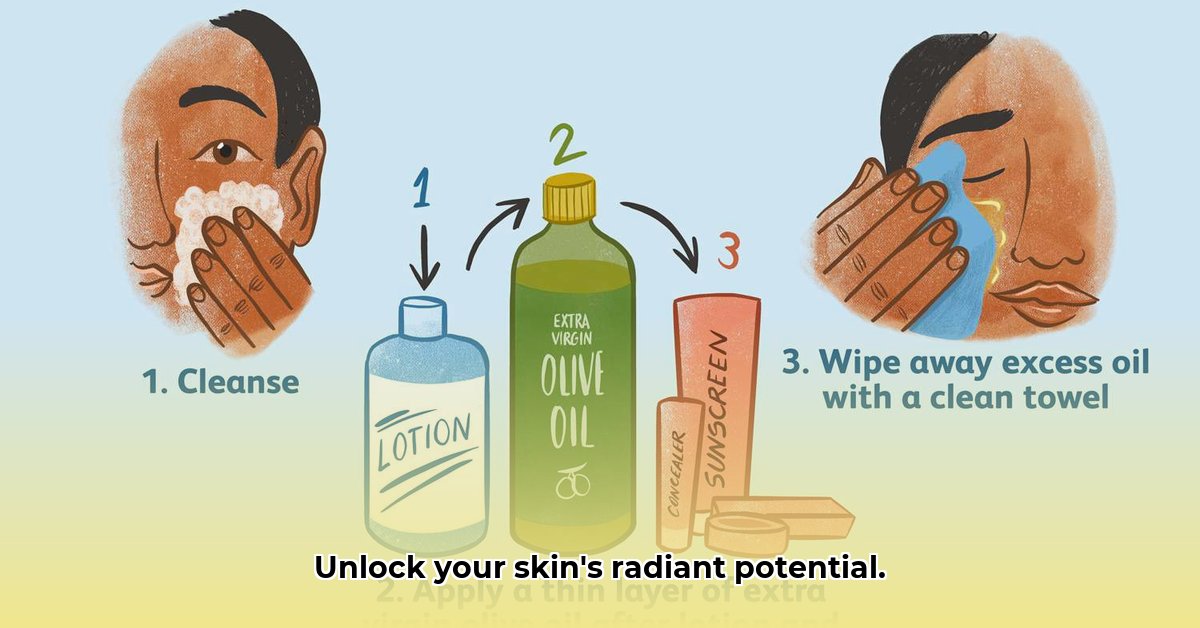
Applying Oils: A Step-by-Step Routine
- Cleanse: Start with a clean, dry face.
- Patch Test: Apply a tiny amount to a small area (inner arm) and wait 24 hours.
- Dilute (Essential Oils): Mix essential oils with a carrier oil (1-3% dilution).
- Gentle Application: Warm a small amount of oil between your fingertips and gently massage it into your skin.
- Sunscreen: Use sunscreen, especially during the day, as some oils increase sun sensitivity.
Navigating Potential Risks:
- Allergic Reactions: Patch testing is crucial to identify potential allergies.
- Photosensitivity: Some oils increase sun sensitivity; sunscreen is essential.
- Interactions with Medications: Consult your doctor if you're taking any medication.
- Comedogenicity: Some oils can clog pores; check the comedogenicity rating.
The Long Game: Maintaining Healthy Skin
Consistency is key! Find a routine that works for you and stick with it. Results take time; be patient and listen to your skin. Consult a dermatologist for personalized advice, especially for persistent skin concerns.
Key Takeaways:
- Choose oils suitable for your skin type.
- Always dilute essential oils.
- Perform a patch test.
- Be patient and consistent.
- Consult a dermatologist for personalized advice.